Advertisement
Facing a Misclassification Claim? Here Are Some Ways to Get Your Insurance to Pay

Get articles like this
in your inbox
The longest running and most trusted source of information serving talent acquisition professionals.
Advertisement
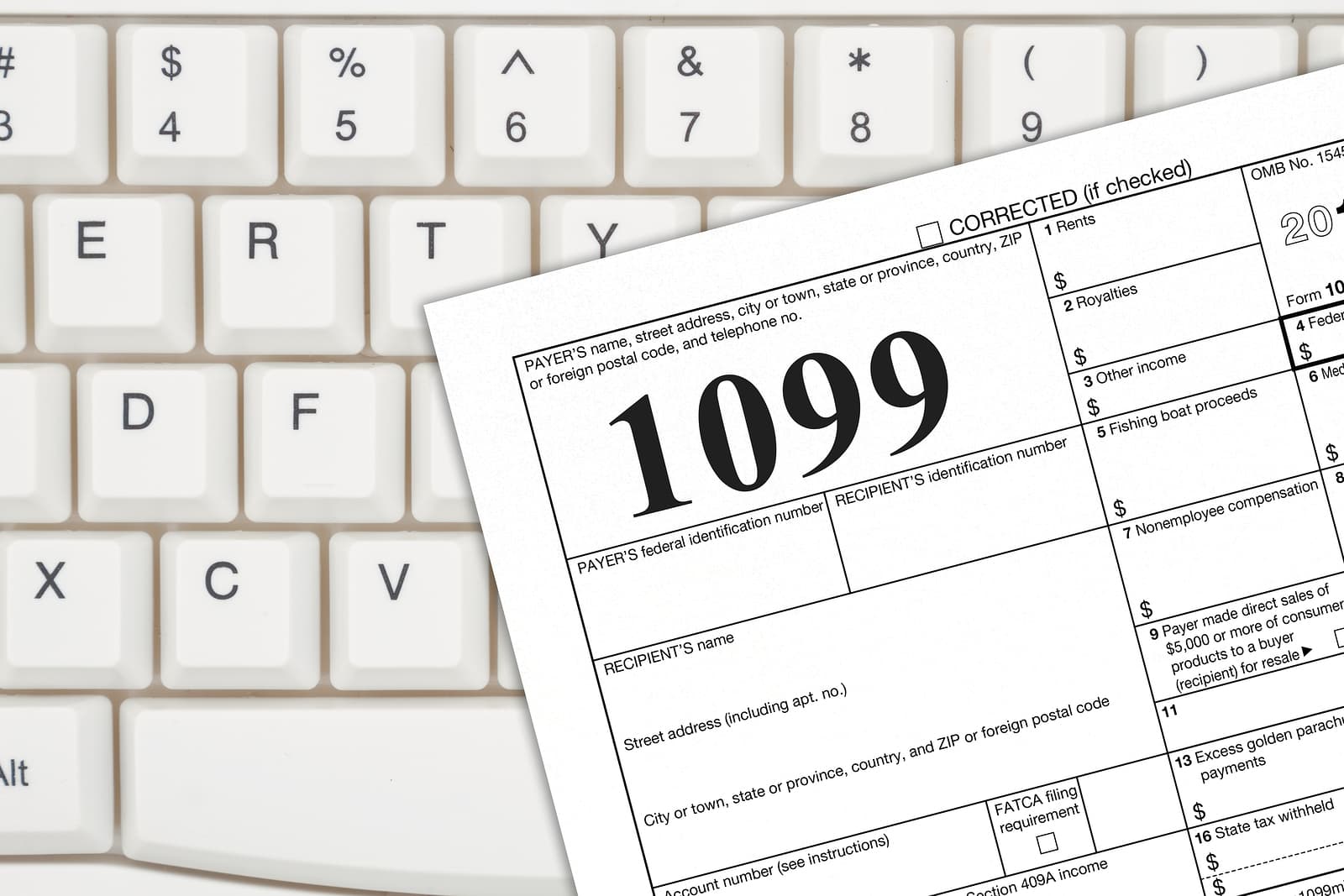
Most businesses, and startups in particular, need to keep costs down. Workers either cannot or do not want to work traditional hours. So begins the boom of the independent contractor model, or the so-called “1099 economy.” But when a startup wants to ensure consistency and quality and begins to exercise more control over a worker, it creates the potential for a misclassification lawsuit.
The line between an independent contractor and an employee is certainly not a bright line, and some may even argue the line is always moving. If a company utilizes the independent contractor model and exercises some control over its independent contractors, in light of the legal uncertainty, it would be prudent to have insurance coverage that would cover any misclassification claims.
As many as 84% of employment class action lawsuits are estimated to involve wage-and-hour claims, including misclassification. Instacart, for example, a mobile phone application which provides workers to shop for customers, is in the process of settling a class action lawsuit filed against it in Los Angeles Superior Court. The parties requested approval in April 2017 of a proposed $4.6 million settlement.
Wage-and-hour claims are typically excluded from Employment Practices Liability Insurance (EPLI) policies, but there are still ways to protect your business if you are looking to renew your insurance and also potential avenues of coverage for some claims if you are faced with a lawsuit. Here are some coverage tips to consider:
Careful review of all EPLI and D&O policies is therefore essential whenever a business faces adverse wage-and-hour claims, particularly those that allege a wide array of purported labor code violations.