The landscape of Talent Acquisition is undergoing a profound shift in 2023, challenging traditional perceptions. Long seen as an additional responsibility for Human Resources professionals, the role of recruitment has evolved into a specialized domain. Gone are the days when anyone could learn to recruit with relative ease. In addition, according to Forbes, “Traditional sourcing strategies aren’t enough; HR leaders must be more targeted and efficient than ever to navigate inevitable shifts in the market.” Today, we witness a transformative shift where top-tier talent acquisition professionals are embracing new skills such as data analysis, research or sourcing, talent intelligence analysis, business development, and even software engineering to enhance their efficiency. Amidst one of the tightest labor markets in history, Talent Intelligence has emerged as a focal point of discussions this year.
What exactly is Talent Intelligence? Talent Intelligence refers to the strategic use of data-driven insights and analytics to understand, anticipate, and effectively manage an organization’s talent-related challenges and opportunities. It goes beyond traditional recruitment, offering a nuanced and strategic approach to identify, attract, and secure exceptional talent providing a strategic advantage throughout the recruitment life cycle.. It marks a departure from conventional methods, recognizing that the landscape of talent acquisition demands a more sophisticated and informed approach, including intelligence analysis and data-driven strategies. Sourcers and recruiters strategically align talent with organizational goals, moving beyond merely filling positions. Some of my favorite Talent Intelligence tools include; LinkedIn Talent Solutions, Talent Neuron, Indeed Hiring Insights, SeekOut Talent Insights, and HireEZ Talent Insights.
Modern recruiting is complex, and disconnects often arise in discussions with leadership. Talent Intelligence acts as a guiding light, helping navigate the intricacies of sourcing candidates and balancing talent supply and demand.. From the intricacies of sourcing candidates to navigating imbalances between talent supply and demand, Talent Intelligence acts as a guiding light. Through sophisticated analytics, this data undergoes a transformative process, becoming organized and refined into meaningful insight providing a roadmap for success enabling organizations to anticipate challenges, proactively identify the right candidates, and stay ahead in a dynamic job market.
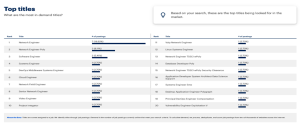
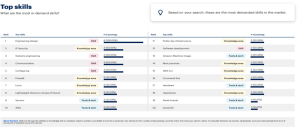
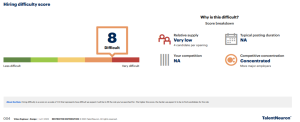
Consider a scenario where Talent Intelligence made a significant impact: facing challenges of a role unfilled for over 90 days. For instance, a report generated by Talent Neuron, a renowned Talent Intelligence tool, identified simple changes to the job description and title, leading to a significant increase in applicants. The report revealed that the title used was uncommon, prompting a revision. Top titles based on the job description and expected skills in similar roles were provided, informing a revised job description and updated title. These changes not only increased the organic applicant pool but also provided additional insights, focusing attention on qualified candidates during the sourcing process.
How does talent intelligence drive informed decision making?
Utilizing Talent Intelligence early in the recruitment process can have a profound impact on probabilities for success ultimately reducing time-to-fill, streamlining recruitment processes, and optimizing costs.
- Market Insights for targeted sourcing campaigns: One of the key areas where Talent Intelligence shines is in developing sourcing strategies. By providing insights into competitor practices, skill availability, and market trends, it empowers recruiters to craft targeted campaigns. The result is a competitive advantage in talent acquisition, where organizations can secure the best talent efficiently and effectively. This ensures that their approach is not only competitive but also aligned with the evolving needs and expectations of the talent pool. Talent Intelligence transforms sourcing from a reactive process to a proactive, strategic initiative, ensuring that approaches align with the evolving needs and expectations of the talent pool.
- Evidence based decision making:Talent Intelligence provides a systematic process of collecting, analyzing, and interpreting data. This empowers decision-makers to move beyond assumptions and base their strategies on concrete evidence and market trends, ensuring precision and efficacy in talent acquisition. From crafting precise job descriptions to guiding negotiations, Talent Intelligence becomes a crucial tool that ensures each step in the hiring process is strategic and informed.
- Creating an inclusive recruitment strategy: Organizations are leveraging unbiased hiring practices and skills enhancement initiatives to create inclusive and competitive workplaces through Talent Intelligence. Talent Intelligence not only aids in identifying talent but also facilitates unbiased hiring practices, ensuring a diverse and inclusive workforce. Skills enhancement initiatives, guided by Talent Intelligence, enable organizations to bridge skill gaps and foster a culture of continuous learning. This not only strengthens the current workforce but also positions the organization as a competitive employer. Talent Intelligence plays a pivotal role in fostering unbiased hiring practices and driving skills enhancement initiatives, contributing to the creation of inclusive and competitive workplaces.
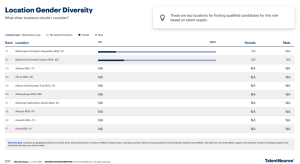
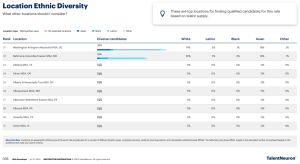
- Strategic Workforce planning: While Talent Intelligence is primarily a tool for talent acquisition, its ripple effects on talent retention are insurmountable. By identifying candidate preferences, aligning expectations with market trends, and mapping career growth paths, organizations create an environment that not only attracts top talent but retains them. This holistic approach to talent acquisition ensures that the strategic efforts put into securing talent translate into long-term organizational success.
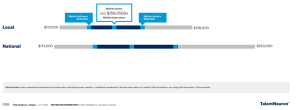
The shift towards data-driven decision-making in talent acquisition is not merely a trend; it’s a necessity. Successfully integrating Talent Intelligence into talent acquisition involves strategic steps. Meticulous data collection from internal and external sources, insightful analysis, and collaborative decision-making are at the core. This requires organizations to not only adopt advanced technologies but also foster a culture that values data-driven insights in talent decisions. As organizations look ahead, the future of talent acquisition is poised for innovation, with AI-driven insights, integration with advanced applicant tracking systems, and a more strategic role for recruiters as talent advisors.
Talent Intelligence isn’t just a buzzword or a fleeting trend; it is strategically imperative in the dynamic landscape of talent acquisition. As organizations embrace this transformative approach, they position themselves not just to fill roles but to strategically attract candidates through targeted sourcing campaigns, securing talent with evidence based decision making as well in inclusive recruitment strategies, and retain the talent through strategic workforce planning elevating themselves above competitors. Talent Intelligence in talent acquisition isn’t a tool; it’s a paradigm shift that ensures organizations are not just recruiting for today but strategically building their teams for sustained success in the talent market of tomorrow. In an era where talent is the true differentiator, Talent Intelligence emerges as the compass guiding organizations toward strategic excellence in talent acquisition.