Advertisement
Your Data Analytics Initiatives Need a Human Counterweight


Get articles like this
in your inbox
The longest running and most trusted source of information serving talent acquisition professionals.
Advertisement
Related Articles
Meaningful information has become critical for companies that are jostling for relevancy and competitiveness in the digital age.
The ability to synthesize a huge influx of data to facilitate insights and decision-making has led to a mushrooming of new functions that have evolved from largely marginalized roles in earlier times. Statisticians have shed their solemn, data-cruncher persona to become data scientists, the front-end face of innovation driven progressiveness. Terms like “big data,” “machine learning,” “deep learning,” “neural networks” and others have permeated the corporate landscape.
However, this infatuation with data comes at a cost of the “human factor” which is being systematically buffeted by technology. In hypercompetitive organizations, one of the exacerbating factors is the pervasive use of “efficiency-focused” metrics in analyzing the fulfillment and efficacy of performance objectives. Executive decisions are increasingly being subjugated by the dazzling displays of HR dashboards peppered with KRAs/KPIs, without being moderated by “humanistic concerns.”
The increasing encroachment of artificial intelligence (AI) has resulted in large pools of qualified candidates being routinely categorized and filtered by ATS software. These AI tech marvels are unaffected by the long-term potential of many of these candidates since the systems are programmed to screen within the narrow boundaries of tightly scripted job specifications. “Performance fit” often supersedes “cultural fit,” causing organizations to suffer embarrassing episodes of scandals with significant damage to the employer brand, e.g., Google for a series of sexual harassment cases against executives. Furthermore, the inherent bias and lack of inclusion has been routinely observed when technology is leveraged for hiring, as Amazon discovered, scrapping its AI-driven recruitment tool when it was found to routinely discriminate against women.
Consequently, there is a critical need for prudent and effective data analytics that is judicious in aggregation, assessment and application of reliable data.
Answering these questions can offer HR guidance in how to use data analytics and what to consider before applying it in practice:
It is important to remember that information derived from data analytics has a “shelf-life” and needs to be managed and preserved accordingly to meet the needs/expectations of the stakeholders while bolstering the “knowledge bank” of the organization.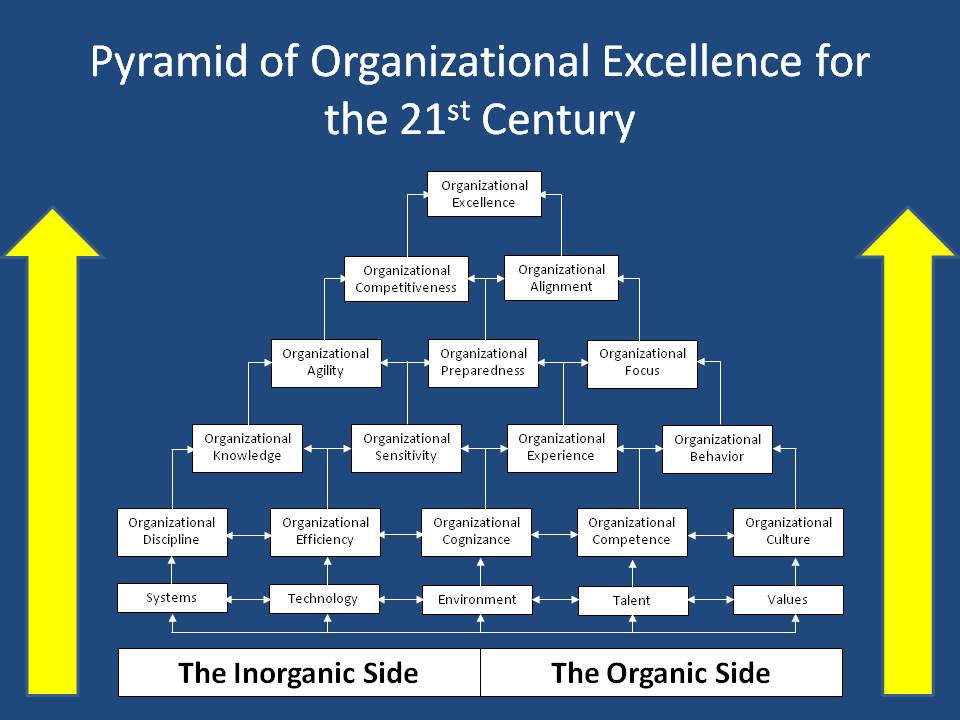
The true value of data analytics in an organization lies in its ability to leverage the intrinsic drivers of “customized ownership” (how it appeals to me) and “personal investment” (what do I gain from it) to enhance engagement and enrich productivity in the workforce. This is especially true in case of the middle managers, who are the backbone of the corporate entities. They have a finger on the pulse of the organization and are critical to the smooth implementation of strategic imperatives. Any disturbance within their ranks can send echoes of discontent throughout the organization and create major impediments for any progressive initiatives, and in particular, for those that are analytics driven.
Before embarking upon any improvement/transformative measures based upon data analytics, HR must conduct an honest appraisal of the dark alleys of the organization then take transparent, accommodative and prudent steps to avoid discord.
This calls for a well-balanced organization to sustain the drive for organizational excellence as depicted in the chart.
The “art” of leadership has to be balanced with the “science” that works behind most of the technological solutions. The decision-makers and those affected by their decisions are both humans, therefore, while technology boosts efficiency aspects (the inorganic side), care has to be taken in terms of alleviating humanistic concerns (the organic side) as the soul of the organization should not perish in its attempts to become more nimble in overcoming business challenges.
How are your data analytics initiatives faring?