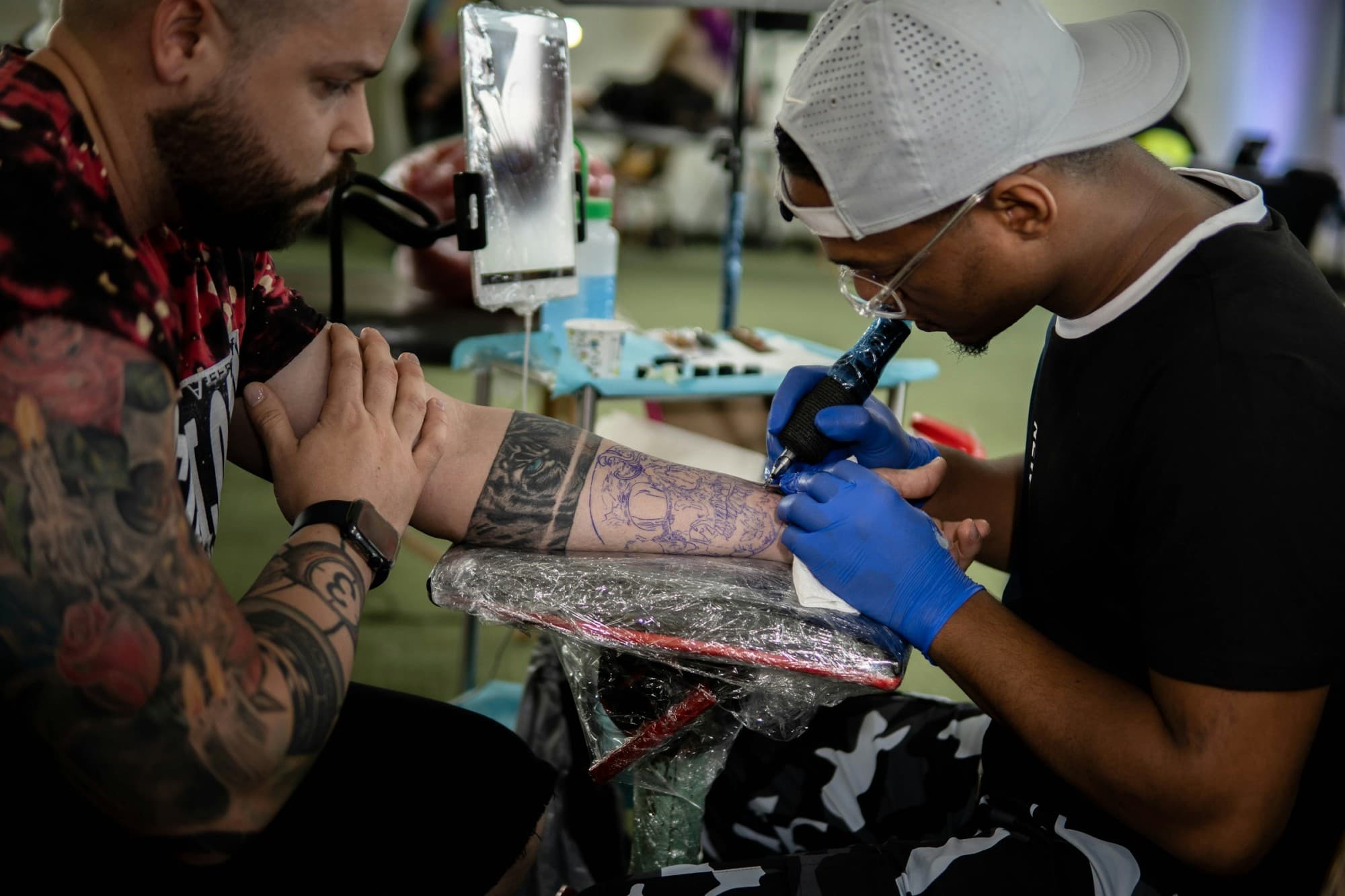
Last week, a Silicon Valley startup found itself at the center of a recruiting controversy after offering job interviews to attendees willing to get a tattoo at its event. The founder later apologized, acknowledging that linking permanent body art to employment opportunities created an inappropriate power dynamic and reflected poor judgment.
The incident quickly ignited debates about workplace tattoos, company culture, and recruiting ethics. But from an industrial-organizational psychology perspective, the real issue is what this communicated to prospective employees. Recruiting is the beginning of the employment relationship. Long before an applicant accepts an offer, they are already evaluating whether an organization is aligned with their values.
Rousseau’s work on psychological contracts demonstrated that employees begin forming a psychological contract with a potential employer during the recruiting process. Each side forms an unwritten set of expectations about what each owes the other. These expectations are not contained in an offer letter or employee handbook; they are built through experiences, interactions, and organizational signals.
Every recruitment practice sends a message about an organization and its culture. Long before applicants ever speak with a hiring manager, they begin forming impressions based on job advertisements, recruiter behavior, hiring processes, and organizational communications. Research dating back more than four decades consistently demonstrates that these early impressions influence whether talented candidates choose to continue through the hiring process.
When a company says, “Get a tattoo and we’ll interview you,” the signal isn’t just, “We’re fun.”
This demand may also communicate:
- We value spectacle over qualifications.
- We reward performative loyalty.
- We blur professional and personal boundaries.
- We expect applicants to prove commitment in unusual ways.
- We may not fully appreciate ethical issues in hiring.
Whether those messages were intended is almost beside the point. Rousseau argued that psychological contracts are based on employee perceptions, not employer intentions. If applicants believe an organization expects something from them, even implicitly, that belief becomes part of the psychological contract.
Viewed through the lens of psychological contract theory, the controversy wasn’t really about tattoos. It was about the promises made. Recruitment creates expectations about what working for an organization will be like. Every hiring interaction answers questions applicants may never ask aloud:
- How will I be treated?
- What behaviors are rewarded here?
- What does this organization value?
- Can I trust its leaders to exercise good judgment?
The tattoo campaign unintentionally answered those questions in ways that many observers (and presumably applicants) found troubling. Rather than communicating professionalism, transparency, or respect, it suggested that highly visible demonstrations of loyalty could earn access to employment opportunities. Even if participation was technically voluntary, the message created an uncomfortable power imbalance because job seekers are naturally motivated to distinguish themselves.
That’s exactly why recruitment matters so much. Applicants are not simply evaluating a job; they are deciding whether to enter into a business relationship with your organization.
Recruitment Is Employer Branding
Every hiring event has the potential to become tomorrow’s LinkedIn discussion, Reddit thread, or news headline.
That means every recruitment activity serves two audiences:
- The people attending.
- Everyone else that is potentially watching.
Organizations should therefore ask a simple question before implementing any unconventional recruiting idea:
If this becomes tomorrow’s headline, what will talented candidates learn about us?
More importantly, what kind of psychological contract will it begin to create?
If recruitment communicates respect, transparency, and professionalism, applicants begin the employment relationship with trust. If recruitment communicates inconsistency, coercion, or poor judgment, repairing that first impression becomes much more difficult.
The strongest recruiting strategies don’t require gimmicks. Research consistently points toward practices that communicate fairness, professionalism, transparency, and respect.
Applicants respond positively when organizations:
- Explain their hiring process clearly.
- Treat candidates with dignity.
- Demonstrate genuine interest in applicants’ qualifications.
- Create welcoming interactions without coercion.
- Align recruitment practices with organizational values.
- Establish realistic expectations about the employment relationship.
These practices do more than improve employer branding. They help establish healthy psychological contracts from the very first interaction and can ultimately create more effective organizations.
The tattoo controversy will fade from memory in a few weeks, but the lesson for recruiters should not.
Applicants begin deciding whether an organization deserves their trust long before they become employees. Recruitment is the foundation of the psychological contract. Every interaction tells applicants what kind of employer you intend to be. The organizations that attract and retain the best talent understand that the strongest recruitment strategy isn’t the loudest one. It’s the one that begins the employment relationship with credibility, respect, and trust.