Advertisement
How To Plan for Compensating Tomorrow’s Workforce


Get articles like this
in your inbox
The longest running and most trusted source of information serving talent acquisition professionals.
Advertisement
Related Articles
The Terminator had a big impact on my understanding of the future. In the Terminator franchise, machines become so artificially intelligent that Skynet ultimately takes over and attacks humans in a judgment day. While judgment day has been pushed out further during the course of the series, the sense is that it still looms just over the horizon.
PayScale’s 2017 Compensation Best Practices Report uncovered some bleak visions of the future. We asked organizations to reveal their biggest fears for the future and the fate of their talent. Some mentioned the realities of millennial job hopping combined with boomer retirement; others were concerned about attrition of newly trained employees; still others spoke more broadly about their ability to find and grow great talent. One respondent talked about the fierce talent competition that is shifting the balance of power to candidates.
The concern about both retaining and finding top talent in an uncertain time remains top of mind for most HR professionals today. The shifting workforce, changing U.S. and global political landscape, and technology trends all point to a future workforce with different motivators than today. How are these future trends impacting employees? Who is the workforce of tomorrow? And how can employers build compensation that will reinforce tomorrow’s workforce starting right now?
My generation has already seen the end of pensions. Social Security is in question and health benefits are more uncertain than ever. As the workforce becomes more and more mobile, tomorrow’s workforce isn’t modeled around long tenures either. Here are trends that are impacting the way employers attract, retain and motivate employees.
Millennials already comprise more than half of the workforce and they will continue to be the majority workforce for years to come, replaced by Generation Z. While the career mindset and characteristics, life stage, typical tenures, and communication preferences for Generation Z aren’t fully known yet, as they enter the workforce they seem like a mix of Generation X and the elder millennials.
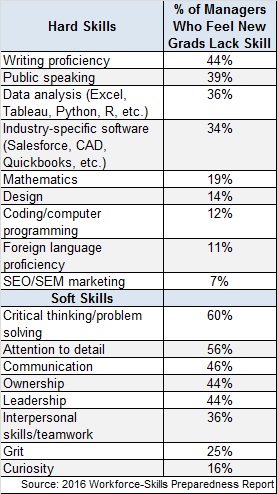
PayScale did a readiness study to see which skills managers are seeking amongst new graduates in the workforce. In the past, the biggest gap was STEM skills. However, more recently, managers pointed to some of the softer (not-automatable) skills like critical thinking, writing, and public speaking. As college costs continue to rise, the company of the future may become the training ground for analytical skills.
Examining generational differences doesn’t paint the whole picture for understanding workforce motivation. There are many ways to make sense of different segments of the workforce, including life stage, job function, job level, education, typical tenure, organization size and setting. Taking a page out of the marketing playbook, creating personas to understand the needs of your current and future workforce can help employers to develop and target a meaningful total rewards programs for employees.
Next, it’s critical to develop a compensation and rewards program that targets the future workforce without also losing track of today’s employees. Here are aspects to consider:
One thing becomes clear: Motivating, retaining, engaging and attracting the workforce of tomorrow won’t be done haphazardly as companies search for more clarity around their compensation strategy. Employees will continue to demand more fairness and transparency, as their experience outside of organizations begins to shape their expectations for their employers. Clearly defining tomorrow’s compensation strategy today provides the opportunity for stronger alignment of compensation to reinforce both culture and business results. Perhaps by doing this, we’ll be able to put off Skynet’s judgment day just a bit longer.